Lessons from 31 Ironmans & 25 Years Coaching Triathlon with Coach Joserra
- #podcast
- #triathlon
- #coaching
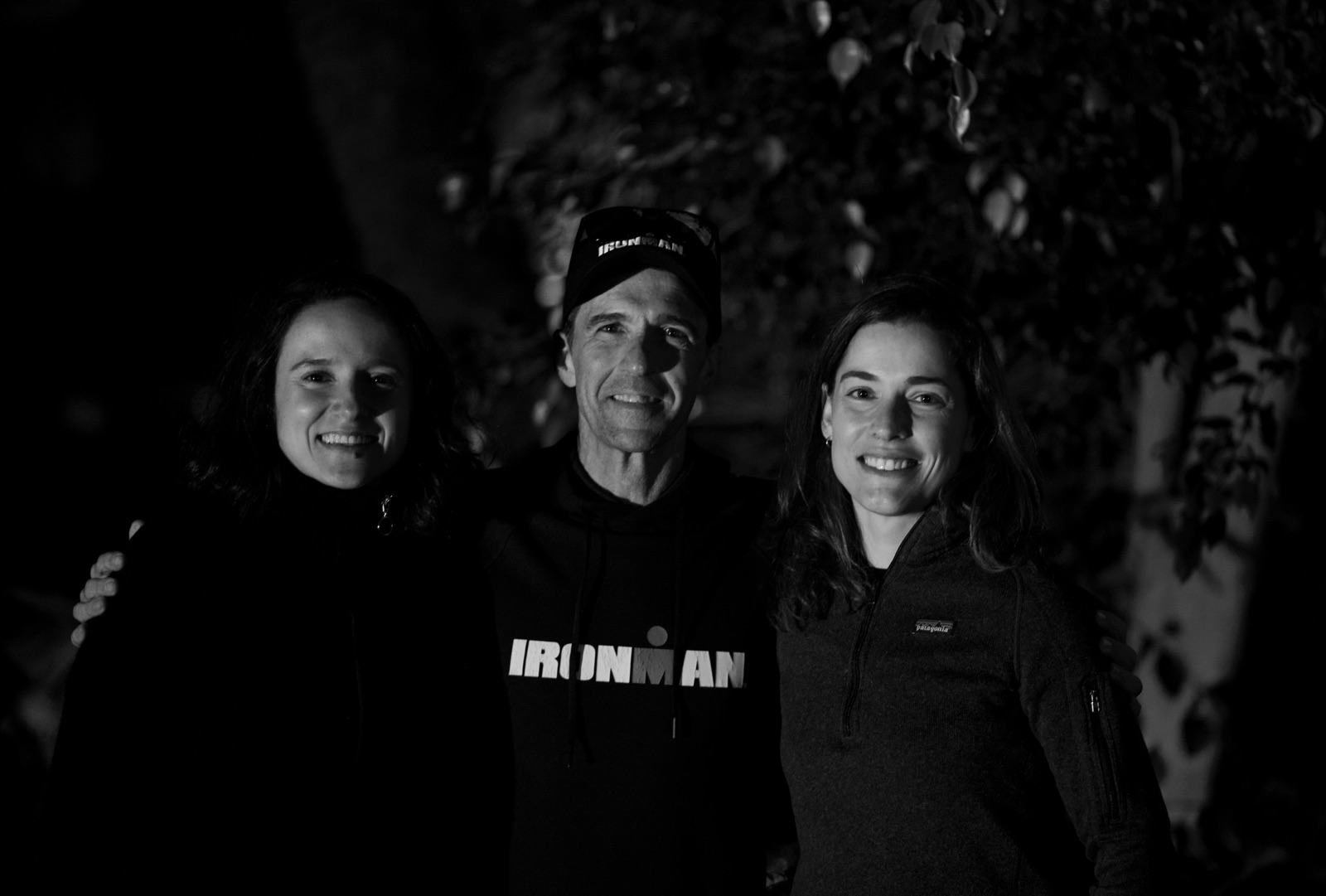
📍 Marbella, Spain - Ironman 70.3 World Championship
We sat down with coach Joserra, a renowed triathlon coach based in Spain who’s completed 31 Ironmans and has been coaching endurance athletes for over 20 years. We wanted to understand his approach to training and what’s kept him in the sport for so long.
What he shared surprised us—not because it was revolutionary, but because it was so simple. And yet, it’s something we rarely hear in endurance sports.
When we asked what drives him after 31 Ironmans, his answer was straightforward: “I never thought I’m going to do 31 Ironmans. I wanted to do one Ironman and take care of that race every single day, every single training.”
One became 31. Not through goal-setting or planning decades ahead, but through being present with something he loves.
Below are more insights he shared with us during this lovely conversation…
Communication Over Training Zones
One of the most interesting parts of our conversation was how Joserra prioritizes communication with his athletes.
He has two platforms: the training platform (where data flows from Garmin, TrainingPeaks, etc.) and the communication platform (where athletes can talk to him anytime about how they’re feeling, ask questions, share concerns).
“The communication platform—the conversation—is even more important,” he said. “You analyze information, you know the numbers. But the same session, if the athlete explains to you that they felt very hard to finish versus ‘that was very easy,’ you have to adjust.”
“I invest more time on the communication platform than the training platform,” he explained. “The same session can look identical in the data, but the conversation with the athlete tells you if you need to adjust.”
He educates his athletes to understand the why behind every session. When they know why they’re doing zone two work today, and how it fits into the bigger picture, they’re more committed to the process.
“When they feel that they are doing something properly, and they understand the reasoning, they want to do it even better.”
Patience. Communication. Process over just prescription.
Health First. Be Patient.
When we asked what advice he’d give athletes seeking longevity in the sport, his answer was direct:
“Health. You will never perform if your health is not good. Health is the first part in our lives.”
And the second part?
“Be patient.”
Not exactly what you hear in a sport that often glorifies “no pain, no gain” and quick results.
But Joserra is coaching for the long term. He’s not interested in getting someone to one race—he wants to build athletes who stay in the sport for decades.
“Our body is what we did 10 years ago. Our cells are the results of many years before this moment. The next 10 years will be there depending on this moment, and tomorrow, and tomorrow, and the next day.”
This long-term thinking shows up in everything—nutrition strategies that progress slowly over months, race pacing that prioritizes finishing strong, and knowing when an athlete is truly ready for their first Ironman.
Practical Nutrition Insights
We talked a lot about nutrition, particularly for Ironman distance. A few key points:
On general nutrition: “Eat everything. Everything has some kind of property, something good for you.” Natural foods—fish, rice, pasta, meat, fruit, vegetables—provide what endurance athletes need. Joserra prefers whole foods over supplements when possible.
On carbohydrate intake during racing: This is highly individual. Lower fitness levels mean lower carbohydrate needs (because you’re generating less power). Professional triathletes can handle 160-180 grams per hour. For most athletes, start lower, test over 2-4 long sessions, and gradually add 10 grams per hour.
The key: athletes need to be educated enough to adjust their nutrition plan during the race if needed. Test plans A, B, and C beforehand.
The Mental and Physical Balance
When we asked about the mental versus physical balance in endurance sports, Joserra didn’t separate them.
“Everything is mental and everything is physical. You cannot separate both of them. It’s as important to be physically prepared and mentally prepared.”
Especially in long-distance events, your mind is everything. “If you don’t have your mind aligned with your body, there’s no way that you are going to have your best race.”
Fast vs. Slow Responders
One practical insight: every athlete responds differently to training.
“You do the same 5 times 1000 meters for two people. The adaptations they are creating are absolutely different. Maybe one improves very fast with this stimulus, and the other one needs three more weeks to get to the same point.”
As a coach, you need to discover this process for each athlete. Some need to repeat the same load three times before jumping to the next level. Others can progress every week.
It’s also different across zones—someone might be a fast responder in zone four but slow in zone two. Understanding this helps you balance their training.
Joserra’s advice: Carpe Diem
We asked Joserra what message he’d leave for our listeners.
“Carpe diem. We are here, we are now. We don’t know if we will be here and now tomorrow. So make the most of every single day.”
He continued: “If you have this commitment with yourself, this is the first part of respecting yourself. If you respect yourself, you can respect the rest of the people.”
“We are very lucky. We are where we want to be. We are living the life that we want to live. We are healthy. So be proud, be happy, enjoy. And share this happiness with the rest of the people around you.”
Listen to the Full Episode
This newsletter covers the main themes, but there’s a lot more in the full conversation:
- Specific pacing strategies for hilly courses
- When an athlete is truly ready for their first Ironman
- The role of neuroscience in motivation and racing
- How Joserra got into triathlon and coaching
🎧 Listen on Spotify or Apple Podcasts
📺 Watch on YouTube
Connect with Joserra
- Website: https://joserra.training/
- Instagram: @coach_joserra
Connect with us
- Instagram: @justbrunathings, @endurance_fabi
Originally published on Substack. Subscribe there to get new posts by email.
Listen to the full episode
Lessons from 31 Ironmans & 25 Years Coaching Triathlon: The Training Process That Builds Lifelong Endurance Athletes